I am a dedicated explorer, the researcher, an independent astrophysicist with a passion for transient science, exoplanet detection, and astronomical variability studies. My work bridges observational astronomy and computational techniques, grounded in a strong foundation of instrumentation, data analysis, and Python programming. Currently, my focus includes studying transient phenomena such as supernovae, binary star variability, and emission nebulae while leveraging advanced statistical tools and machine learning techniques to refine light curve analysis and detect anomalies. Beyond transient science, I am deeply interested in exploring other astrophysical phenomena, including star-forming regions, galaxies, and high-energy sources, and aspire to contribute to large-scale surveys like LSST and ZTF.
My collaborations with organisations such as the AAVSO and the Slooh Telescope Network have strengthened my expertise in photometric calibration, FITS image processing, and real-time observation planning. Through these platforms, I have conducted structured observational studies, captured and analysed celestial images, and contributed to variability research of nebulae, galaxies, and stars. Additionally, I recently join the Lasair platform expecting to deepen my engagement with transient alert systems, enabling me to analyse real-time alerts, run custom code streams, and integrate SQL-based workflows for alert classification. As an active member of the Astronomical Society Glasgow (ASG), I involve in public outreach initiatives and coordinate imaging projects to foster collaborative research in observational astronomy.
My academic pursuits focus on understanding the variability mechanisms in binary star systems, exoplanets, and supernovae while also investigating the formation and evolution of galaxies and nebulae. I am particularly drawn to leveraging machine learning and advanced computational techniques to expand our understanding of these systems. While my current focus is on transient science, I am eager to diversify my expertise and explore other astrophysical phenomena, contributing to both small-scale observational studies and large-scale astronomical surveys. My ultimate goal is to contribute to a holistic understanding of the cosmos while inspiring and mentoring the next generation of astronomers.
Skills
Programming and Scripting Languages
Python: Advanced knowledge, including NumPy, Pandas, Matplotlib, Astropy, SciPy, and Photutils.
SQL: Managing astrophysical databases such as Lasair and Gaia.
Bash/Shell Scripting: Automating workflows and pipelines.
Data Science and Machine Learning
Frameworks: TensorFlow, PyTorch, and Scikit-learn.
Visualisation: Matplotlib, Seaborn, and Plotly.
Big Data Tools: Hadoop and Apache Spark for LSST datasets.
This research note proposes a novel approach to studying the planetary nebula NGC 3918 by treating its variability as a small-scale analogue of cosmic evolution. By analysing long-term photometric and structural changes, and applying machine learning to archival and citizen science data, the project outlines a framework that connects stellar remnant behavior to broader astrophysical processes.
The publication introduces a data pipeline combining photometry, anomaly detection, and Bayesian modelling, aimed at revealing variability patterns, substructures, and potential transients within the nebula. This interdisciplinary framework is designed for future scalability and serves as an early-stage concept paper timestamped via Zenodo.
This project bridges observational astrophysics with computational science, providing a foundation for future research, collaboration, and proposal development (e.g. JWST follow-ups or LSST extensions).
Welcome to the blog, where I document research insights, observational studies, and discoveries in astrophysics.
NGC 3918 – Observing Expansion & Building an ML-Driven Pipeline
Published on:May 2025
The variability of NGC 3918 serves as a window into both stellar death and emerging remnants. By comparing ground-based imagery with archival HST data, this campaign leverages community-led observations and custom software to study its structural evolution and central source behavior. The core scientific goal is to link photometric patterns and resolved morphological changes to broader evolutionary models.
This initiative is supported by a live AAVSO campaign and open-source Python tools built for time-series analysis, statistical inference, and anomaly detection. Insights may inform LSST/Euclid-like missions targeting nebular behavior.
I'm thrilled to announce the launch of a global observing campaign on the planetary nebula NGC 3918, in collaboration with the AAVSO community. This initiative invites observers—especially in the southern hemisphere—to contribute narrowband and broadband photometric data to study long-term variability in the nebular structure and central star activity.
The campaign supports both FITS uploads and reduced magnitude contributions, with contributors eligible for co-authorship. If you'd like to take part or learn more, read the full details below.
Nebulae Studies: Understanding Expansion and Variability
Published on:February 2025
Planetary nebulae represent the final stages of stellar evolution for low to intermediate-mass stars.
Their expansion rates provide insights into the underlying physics governing mass ejection, ionisation,
and nebular evolution. This post explores the variability of NGC 3918, comparing archival
data from **Hubble Space Telescope (HST)** and ground-based imaging to analyse changes in structure.
This post will highlight my observational studies using the Slooh Telescope Network, focusing on nebulae,
variable stars, and planetary transits. Data reduction, image stacking, and comparative analysis will be discussed.
The universe does not ask for degrees—it rewards those who dare to explore it.
For over a decade, I have pursued astrophysics not through titles or affiliations, but through a simple truth: the universe belongs to all who seek to understand it.
Why This Work Matters
🚀 Investigating exoplanets, supernovae, and nebulae expansion rates through real-time observation
🔭 Applying machine learning to classify transient astronomical events with Lasair
📡 Building open-access research pipelines and contributing to AAVSO & ADS scientific databases
📜 Publishing findings to ArXiv & ADS for the global scientific community
How You Can Support This Work
✅ Collaborate – If you are a researcher, astronomer, or enthusiast, let’s work together.
A Commitment to Open Science
Every discovery, dataset, and paper produced through this journey will be freely accessible. Science thrives when knowledge is shared, not gated behind institutional walls.
If you’d like to be part of this work, reach out at girijayaduvanshi@gmail.com—let’s explore the universe together.
Projects
1️⃣ Anomaly Detection and Bayesian Analysis of Algol, T CrB, and Nebular Variability
This long-term research project explores photometric variability and structural changes in systems such as Algol (Beta Persei), T CrB (T Coronae Borealis), and bright planetary nebulae. Using advanced light curve modeling, I apply Bayesian methods to detect anomalies, periodic signals, and transient behavior across variable stars and emission regions.
Observations have been conducted using binoculars, CCD imaging setups, and a 16-inch dome telescope as part of a broader independent survey. Insights from this project directly led to the development of a live monitoring campaign for one of the most photometrically interesting nebulae in the southern sky: NGC 3918.
NGC 3918 Planetary Nebula & AI-Powered Anomaly Detection (Ongoing)
This research project examines NGC 3918 not only as a photometric object of interest but as a model of dynamic evolution. The nebula's expansion and structure offer insight into asymmetry, variability, and stellar remnant formation—akin to observing galaxy-scale events on a microcosmic level.
We are building an automated Python-based pipeline that processes photometric and imaging datasets from HST, AAVSO, MAST, and community observatories. The pipeline incorporates Bayesian modeling and anomaly detection using isolation forests and CNN architectures to flag time-domain variability and evolving morphology.
Key deliverables:
Public GitHub repository with open-source pipeline (2025–2026)
Live campaign through AAVSO for community-submitted observations
Preprint/ADS submission outlining structural variability detection in planetary nebulae
Observers will be acknowledged in public datasets and considered for co-authorship in any publications. I invite collaborators from both the professional and amateur communities to contribute observations or discuss the science behind this ongoing work.
2️⃣ Transit Method for Exoplanets and Machine Learning with EXOTIC Framework(Ongoing)
In this project, I focus on refining transit detection techniques for exoplanets using the EXOTIC framework. The study includes plate solving, photometric error analysis, and light curve modeling with Astropy, Photutils, and SciPy. Machine learning algorithms are also explored to reduce noise and enhance the detection of planetary transits in noisy datasets.
Expected key achievements:
Developing scalable workflows for light curve generation, essential for handling large datasets like those from LSST.
Testing and comparing ML techniques such as anomaly detection and regression for improving transit models.
Building a pipeline for transit characterisation that can be applied to upcoming surveys like ZTF and LSST.
This work exemplifies my ability to combine traditional photometry with cutting-edge computational tools to solve modern astronomical challenges.
3️⃣ Slooh Telescope Imaging
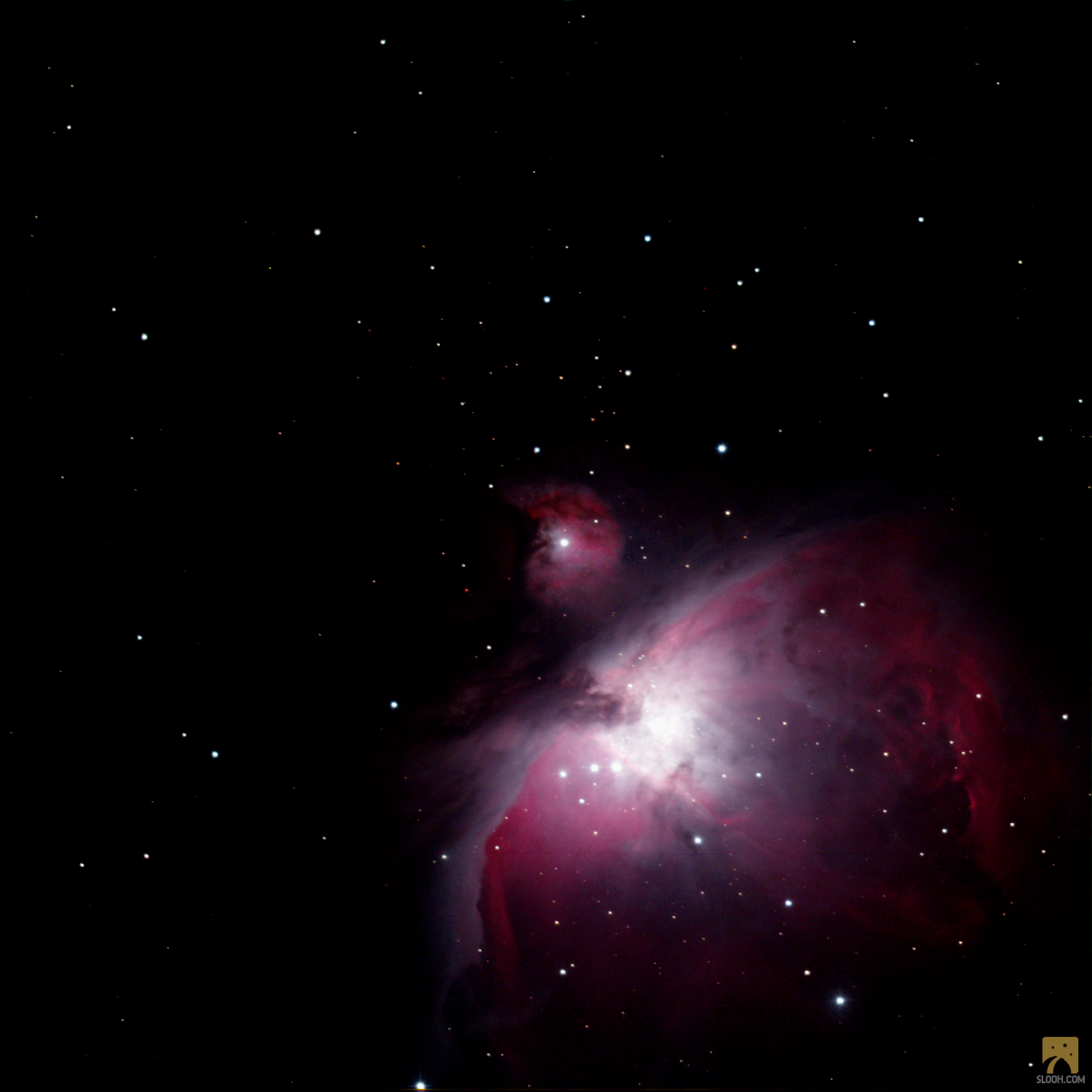
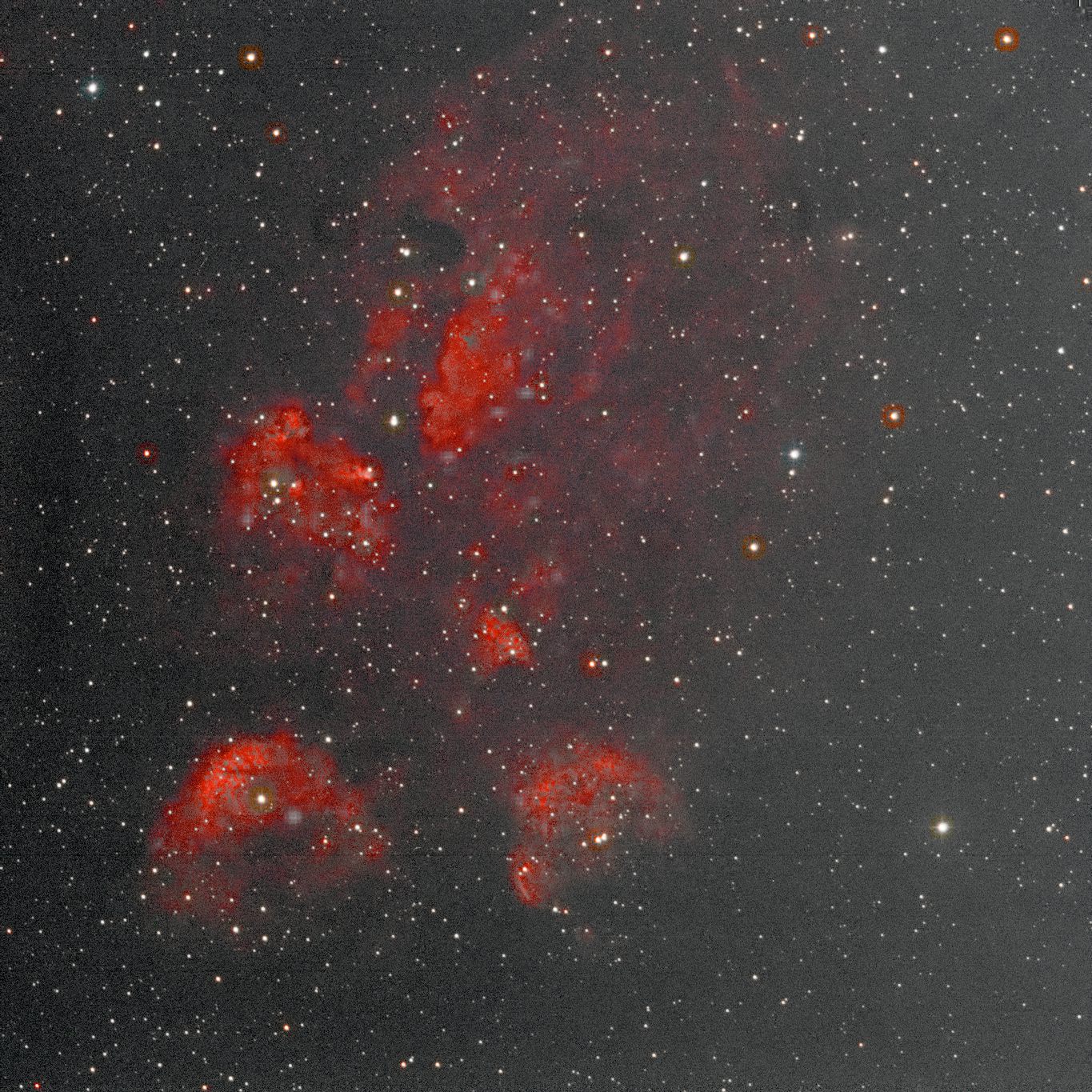
As a regular user of the Slooh Telescope network, I have captured and processed celestial images, including the Eta Carina and De Marian Nebulae. This project emphasises the study of variability in nebulae and star-forming regions through imaging and analysis.
Using Slooh, I have been:
Capturing high-resolution images of celestial objects and processed them using Python, PixInsight and AstroImageJ.
Conducting photometric analysis to understand the structure and variability of nebulae using Python/ML.
Collaborating with international observers to report findings to the AAVSO for community contributions.
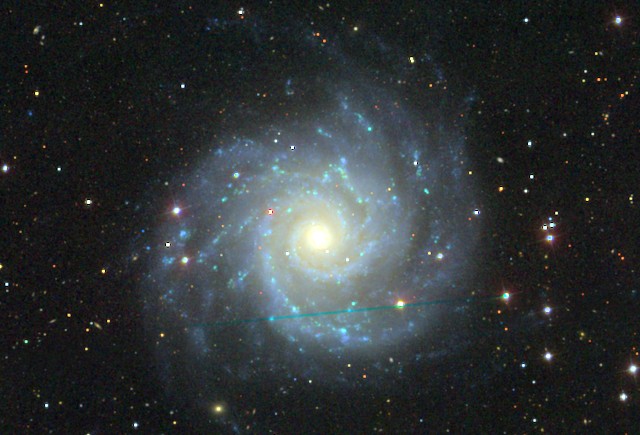
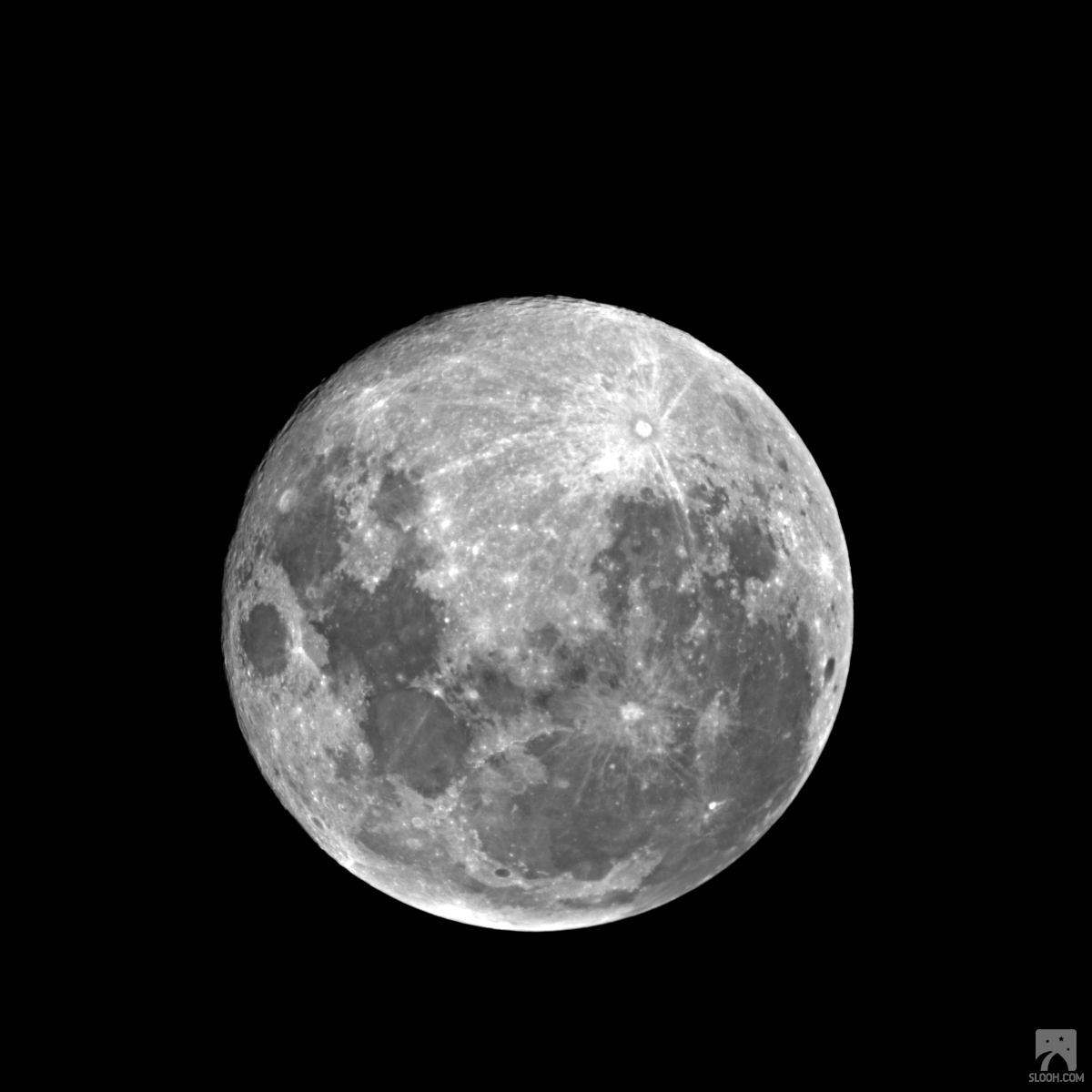
Below are some examples of my imaging work:
Eta Carina NebulaDe Mairan NebulaM74 GalaxyFull MoonCat's Paw Nebula
This project involved developing a system to calibrate small IDS cameras against Trios sensors. By configuring camera properties, analysing RGB spectra, and comparing results, I aimed to achieve precise calibration across six orders of magnitude. Python-based linearity fitting and statistical analysis were employed to visualize the results and improve accuracy.
Key highlights:
Demonstrated expertise in camera calibration and spectral analysis.
Developed a robust workflow for comparing camera properties using Python.
Published findings that improve small camera usage for scientific purposes.
5️⃣ Star Measurement Analyser
In this Python-based project, I developed a tool to calculate the distances of stars using Astropy. By incorporating catalog data and plotting star positions with Matplotlib, the project provided a reliable method for analysing stellar distances in observational astronomy.
Contributions include:
Building an efficient distance calculation algorithm for nearby stars.
Visualising stellar data to analyse spatial relationships and clusters.
Contributing to educational initiatives to make astrophysical methods accessible to students.
Work Experience
ASG (2023-present)
As an active member of the Astronomical Society Glasgow (ASG), I have been deeply involved in public outreach, educational initiatives, and advanced astronomical observation sessions. I regularly participate in operate dome telescopes and imaging sessions to capture celestial objects, including galaxies, nebulae, and variable stars.
Key Contributions as a team in ASG:
Conducting structured variability studies of binary stars, recurrent novae, and emission nebulae, producing high-quality observational data.
Organising monthly lectures and public engagement events, introducing astrophysical concepts to diverse audiences and promoting inclusivity in STEM.
Learning astrophotography techniques, telescope operation, and image processing using tools such as PixInsight, AstroImageJ, and SiriL.
Collaborating with amateur astronomers to share findings, focusing on real-time observation planning for transient events.
My work with ASG reflects a strong commitment to fostering an inclusive scientific community while advancing observational astronomy through collaborative research and outreach.
ST Imaging and Reporting to AAVSO (2023 - Present)
Utilising Slooh's global telescope network to capture high-quality images of nebulae, galaxies, and variable stars.
Processing and analysing FITS images to extract photometric data and assess light curve behavior.
Reporting findings to AAVSO, enhancing their database with contributions on variable star behaviour and transient phenomena.
Collaborating with global observers to validate photometric data and refine reduction techniques.
Through my work with Slooh and AAVSO, I have strengthened my expertise in real-time observational planning, variability analysis, and celestial imaging.
Lasair Platform (2024 - Present)
Joining the Lasair Transient Alert Platform has providing an opportunity to explore transient phenomena in real time. I am actively engaged in integrating machine learning workflows to classify and analyse astronomical alerts, enabling efficient identification of transient events.
Expected key Achievements:
Developing custom code streams and SQL API queries to extract and analyse transient data for variability studies.
Exploring machine learning models to enhance classification accuracy for transient events in high-cadence data streams.
Collaborating with the Lasair team to refine workflows for adding value to data alerts, focusing on anomaly detection and data reduction pipelines.
Generating visualisations and reports to interpret transient phenomena, contributing to the global understanding of their astrophysical origins.
My work with Lasair underscores my ability to adapt to cutting-edge technologies and contribute to next-generation transient astronomy.
Certifications
2024 Machine Learning with Python: Mastered algorithms like regression, clustering, and support vector machines. Applied techniques to practical problems using TensorFlow.
2024 Analysing the Universe: Focused on large dataset analysis, astrophysical simulations, and statistical methods for astronomy.
2024 Diversity of Exoplanets: Gained expertise in detection methods like transit photometry and radial velocity.
2024 Data-Driven Astronomy: Learned big data handling techniques and machine learning applications for astronomical data.
2018 Planetary Science: Studied planetary geology and remote sensing with an emphasis on meteorite and planetary surface analysis.